
Most Aussies heading to a casino floor know the first rule is to keep your bankroll in check, but online play adds a few extra layers. Baccarat demo mode gives you a quiet corner to watch how the shoe moves without committing real cash. It is not a shortcut to profit; it is a way to understand pace, table rules, and your own patience before you have a punt with money on the line. I have covered casino floors since the late 2000s, and the pattern has not changed: players who rush in without watching the rhythm usually hand their chips back faster than they expect.
You do not need a licence to sit at a free table, but you do need to know what you are looking at. A demo session strips away the pressure and leaves the mechanics plain, which is handy for anyone who wants to read a table properly before signing up. When you are ready to move from free play to a real account, you will still need to work through registration, verification, and the first deposit process, so it pays to understand that path early rather than after you have already stacked some pretend chips.
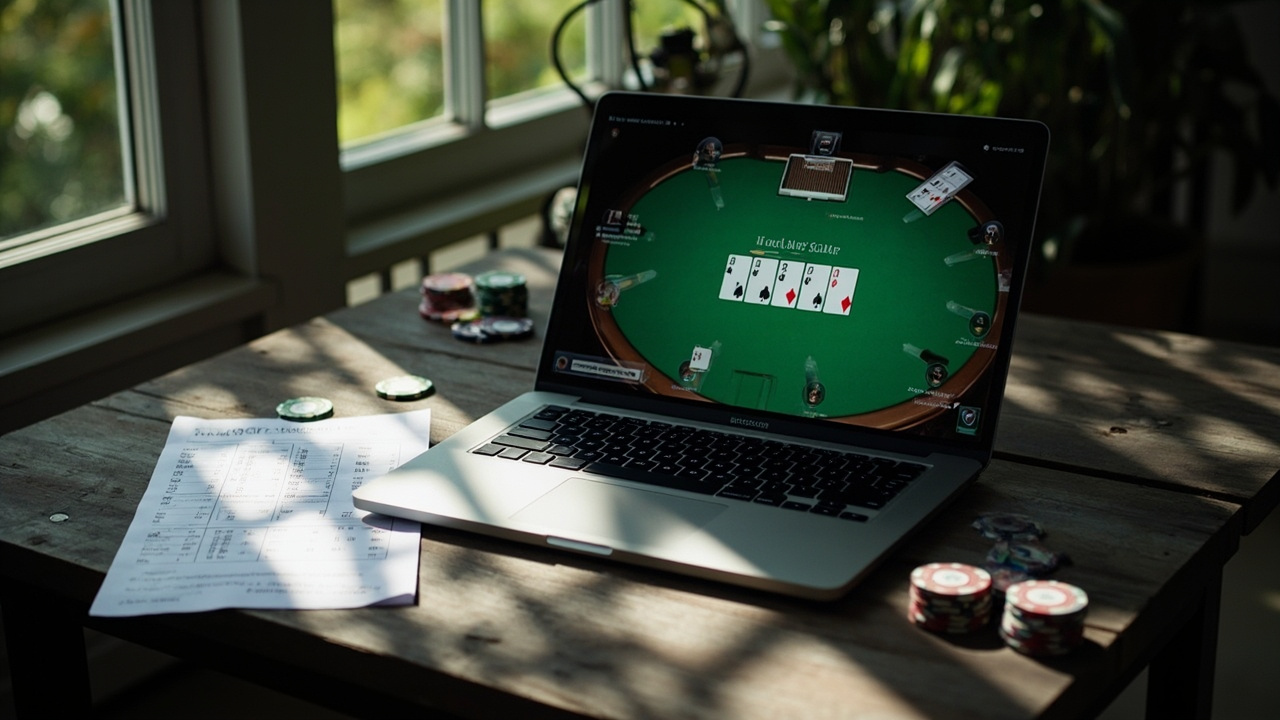
Baccarat demo mode is built around observation first and betting second. You sit in, watch the dealer shuffle through a few hands, and notice how the commission on banker wins is applied before you ever touch a real balance. I have spent more afternoons than I can count watching shoes on busy casino floors, and the same truth holds online: the game does not care whether you are learning or chasing, so the demo is where you learn to read the pace without the noise of a crowded room. uptown pokies
A few practical things stand out when you use the free version properly. You can see how the court cards – the jack, queen and king – sit at zero value and how the nine-and-under scoring works without losing a cent. You can also spot whether a table feels rushed or steady, which matters more than most new players reckon. I once watched a guy in Geelong spend a Saturday arvo tracking a demo shoe just to see how often the banker held the edge; he was not trying to beat the game, he was just learning where the friction sits.
That kind of attention is what separates a useful session from a mindless click-fest. Demo play is not a rehearsal for guaranteed wins, and anyone telling you otherwise is selling something. It is a way to understand the table’s temperament before you bring your own money into the room. Adboardingpass
When you finish a demo run and decide to sign up, the process shifts from observation to verification. A legitimate operator will ask you to confirm your identity, prove you are in the right jurisdiction, and set up a payment method before any real balance is available. That is the part most players underestimate, because the free table never asks for a licence check or a card detail, and the jump to a real account feels bigger than it should if you have not read the terms.
I have seen the same pattern across operators for years: the first deposit goes through, the bonus activates, and then players discover the wagering conditions sitting quietly in the background. A demo mode session will not show you that, because there is no real money and no real bonus to clear. If you want a clearer picture of how welcome offers work in this market, it helps to read a focused piece on how to evaluate casino welcome bonuses for Australian players before you commit. That way you know what you are activating rather than assuming the free chips are loose change.
The first session after signup is where patience matters most. You should treat your first real baccarat hand the same way you treated the demo: watch the shoe, note the pace, and keep your stake small enough that a bad run does not shake your judgment. I have covered enough floors to know that the players who last are the ones who treat the first deposit as a test, not a statement.
A useful demo table is not just a screen with a deal button; it is a setup that lets you see the important details without clutter. The best ones show the card values clearly, display the running total for player and banker, and let you adjust your bet size so you can feel how different stakes would behave. I have always judged a demo by whether it lets you notice the small things – the commission line, the payout table, the way the shoe resets – without making you hunt for them.
If you are testing a site before you commit, it helps to compare a few concrete points rather than chasing a vague feeling of trust. A clean demo should let you see the rules plainly, and a clean operator should make the move from free play to real play straightforward rather than buried in fine print. When I am looking at a new setup, I want the same clarity I would expect on a busy Saturday night in a Geelong club: the rules visible, the pace readable, and no mystery sitting between you and the next hand.
| What to check | Why it matters |
|---|---|
| Card value display | Confirms you are reading the nine-and-under scoring correctly |
| Commission line | Shows where the banker edge is taken from |
| Bet size range | Lets you test how different stakes would feel |
| Shoe speed | Helps you judge whether the table feels rushed or steady |
A demo that hides those details is not much use, no matter how polished the graphics look. You are not there for spectacle; you are there to see whether the table makes sense before you bring any real money into it.
There are limits to what a free table can teach you, and the biggest one is that it cannot replicate the pressure of your own cash on the line. A demo session can show you the rules, the pace, and the way streaks unfold, but it cannot show you how you react when a run goes against you and the balance you care about starts to move. I have seen experienced players treat a demo like a warm-up and then overreach the moment real money appears, which is exactly the wrong lesson to take from free play.
That is why I always tell people to treat the demo as a reading exercise, not a training camp for big stakes. You can learn the shoe, you can learn the commission, and you can learn whether you actually enjoy watching the hands unfold, but the moment you switch to real money you are in a different room with different pressures. Eliza Bennett, Lead Gaming Analyst, Pacific Wager Analytics, puts it plainly: demo play is useful for learning table behaviour, but it does not teach you how you handle a real balance under pressure. Mia Lewis, Product Analytics Lead, Southern Capital Advisory, adds that players who treat free play as a full rehearsal often misread their own tolerance for variance once money is involved.
If you want a steadier view of how operators handle partnerships and table offerings, Lachlan Campbell, Head of Operator Partnerships, Murray River Gaming Research, notes that the demo-to-real transition is where most players either settle into a sensible pace or rush into stakes they have not properly tested. None of that is a reason to avoid demo mode; it is a reason to use it with the right expectations.
A demo table is a quiet place to learn the rules and the rhythm, and that is exactly what it should be. Use it to read the shoe, check the commission, and decide whether baccarat is a game you actually want to sit with before you bring any real money into it. When you are ready to move on, take the registration and verification steps seriously, treat the first deposit as a test, and keep your first real hands small enough that you can still think clearly.



CARBURANTES MONTILLA S.L. ha recibido una ayuda de la Unión Europea con cargo al Programa Operativo FEDER de Andalucía 2014-2020, financiada como parte de la respuesta de la Unión a la pandemia de COVID-19 (REACT-UE), para compensar el sobrecoste energético de gas natural y/o electricidad a pymes y autónomos especialmente afectados por el incremento de los precios del gas natural y la electricidad provocados por el impacto de la guerra de agresión de Rusia contra Ucrania.



 Spanish