

Considering competitive gaming mechanics, the tournament bracket system in Space XY Game stands out as a sophisticated evolution of crypto-gaming. It breaks the usual solo play mold by introducing a organized, head-to-head layer that has surprising depth. The UK’s keen embrace of this format shows precisely why it succeeds, showing a well-built bracket can foster a genuine community around a game that’s provably fair.
You are unable to talk about the tournaments without first getting the foundation. What makes competition in Space XY Game reliable is its provably fair algorithm. Players can confirm every single round, from the starting crash point to the ending multiplier. This cryptographic transparency is essential. It strips away the doubt that plagues many online games, assuring every tournament result stems from player strategy and timing, not hidden chance. That trust is what lets players dedicate real stakes to competitive brackets.
The engine employs a deterministic model. The crash point is based on a server seed, client seed, and nonce. After a game, players can check the result. In a tournament, this means everyone competes on the same auditable field. The psychological effect counts. Knowing the system is transparent lets players focus fully on their tactics instead of suspecting the game’s integrity. That’s the bedrock for any genuine tournament structure.
Game Space Xy Slot employs a single-elimination bracket, a format enthusiasts of sports and esports know well, but tailored for a crash game’s rhythm. Players are positioned into a tree structure for head-to-head matches. A match typically includes a set number of rounds or a target profit goal with a time limit. The big change is the direct pressure. You don’t just aim to cash out before a crash; you’re trying to beat a specific opponent right then and there. That shift alters your strategic math completely.
Matches are synchronized. Both players participate in the same sequence of crash rounds. This simultaneity is key. It erases the variance from different game cycles and makes sure the competition is purely strategic. The bracket advances in a predictable way: winners advance, losers go home. This builds a clear, suspenseful story for each tournament, ending with a final match that names a champion. The structure is elegantly simple, easy for newcomers to grasp but offering veterans plenty of strategic depth.
Single-player Space XY play usually comes down to strict cash-out timing. Tournament brackets introduce extra layers. Now you must think about your opponent’s anticipated moves. Do they play it safe with low multipliers, or do they pursue high-risk crashes? Your own plan must adapt. In an early round versus a recognized cautious player, you might take a risky approach to create a large lead, pushing them out of their comfort zone.
The UK gaming scene boasts a long history in both gambling and esports. This background uniquely shaped how it adopted Space XY Game’s tournament system. UK players usually show a keen grasp of odds, bankroll management, and competitive formats. This maturity has encouraged higher-stakes tournaments and more detailed strategic talk within the community. A cultural comfort with competitive, skill-adjacent gaming provided this format a fertile place to grow beyond a mere novelty.
Also, the UK’s strict gaming regulations have, paradoxically, boosted the credibility of provably fair crypto games like Space XY for tournaments. Players here are highly aware of fairness and accountability. The game’s transparent, verifiable nature fulfills this demand for integrity. That renders the tournament bracket system more than just fun; it becomes a reliable competitive outlet. The result is a notably engaged and serious tournament scene among UK players.
Joining a Space XY Game tournament often involves submitting a cryptocurrency entry fee. This fee is added to a shared prize pool. The typical approach retains a percentage for the tournament operator as a rake, then allocates most of the pool to the top finishers. Popular formats vary from winner-takes-all for small brackets to tiered rewards for bigger events, recognizing the top 4 or top 8. The detailed reward distribution, often shown on the tournament lobby page, is a significant appeal for players.
Some high-level competitions feature «freeroll» entries for top-ranked players or as promotions, which expands the player base. Others might offer secured payout pools, where the operator commits to a minimum payout no matter how many people enter. This boosts player confidence. The most successful tournaments in the UK have struck the right balance between reasonable participation costs and attractive, scalable prize pools. That balance drives high turnout and strong contest.
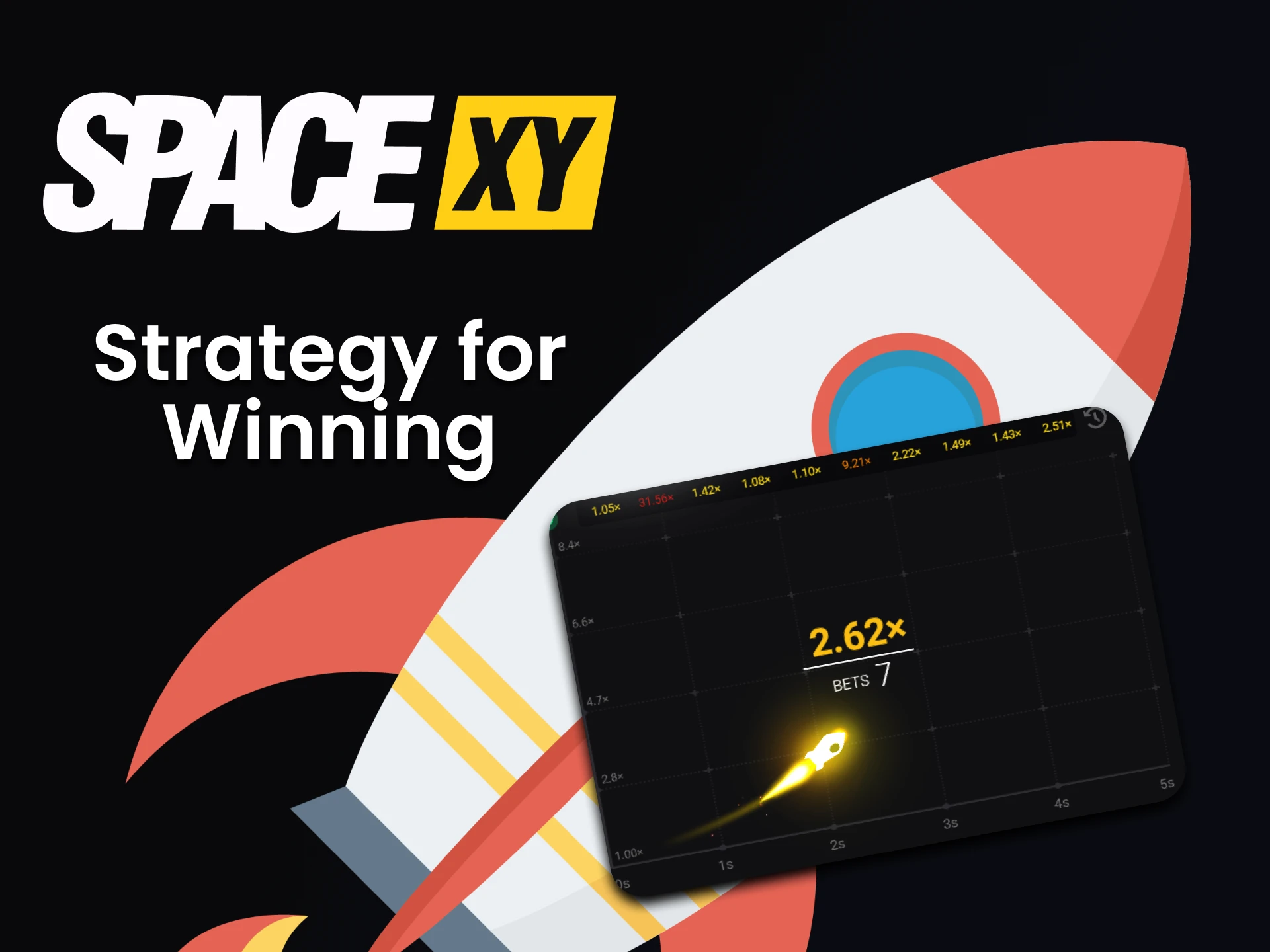
Any gaming contest sparks controversy over skill versus luck. For the bracket system of Space XY Game, I see a range that heavily favors skill within the competition structure. The base crash point is random and verifiable, yes. But the competitive ability lies in the strategic choices players make in response to that randomness, measured directly against an opponent. Over the many rounds in a match, variance balances out. Consistent strategic execution becomes the determining factor.
The direct duel format is what equalizes for skill skill-wise. Both players see the same random sequence of crashes. So, any difference in the outcome comes purely from their different cash-out decisions. This transforms the game from «beating the machine» to «out-thinking your opponent.» That is a fundamentally skill-based task. The best tournament players show remarkable consistency across multiple events, further evidence that skill determines success in this competitive setting.
The tournament bracket system accidentally created a active spectator community around Space XY Game. Brackets create natural stories: underdog runs, player rivalries, defending champions. Platforms often showcase live leaderboards, and sometimes even stream final matches with commentary. This transforms the solitary act of playing a crash game into a shared event. In the UK, dedicated forums and social media groups thrive with talk about tournament strategies, results, and predictions.
Fresh players entering their first Space XY Game tournament often make the same mistakes. The most common is adopting a solo play strategy in a head-to-head match. An bold, high-variance style that could succeed alone can be a disaster against a composed opponent in a bracket. Another trap is emotional tilt. A bad beat in an early round can lead to chaotic, irrational play in the next one, a flaw seasoned opponents will exploit without mercy.
Many also overlook bankroll management. They allocate an entry fee that’s too big a slice of their gaming funds. An early loss then leaves them unable to re-enter or join future tournaments. Finally, lots of newcomers skip opponent research. In established tournament scenes like the UK’s, players establish reputations and set patterns. Not checking an opponent’s historical playstyle is a strategic blind spot that can cost you a match before it starts.
Looking at the path established by Space XY Game in markets like the UK, tournament bracket systems appear as a major direction for crypto gaming’s future. They add longevity, community, and a skill-based framework that resonates with a wider audience than pure gambling. We’ll likely see new ideas like team-based tournaments, longer seasonal leagues with leaderboards, and more complex bracket formats such as double-elimination. Integration with decentralized autonomous organizations (DAOs) for community-run tournaments is yet another logical step.
The technology will probably improve to support better spectator experiences, with real-time data overlays and integrated chat. Also, as regulations change, the clear skill component in these structured tournaments could help them gain wider legal acceptance. The model’s success within the analytically-minded UK community provides a blueprint for building a sustainable, competitive ecosystem around a provably fair game.
To excel in this fierce arena, you need more than fundamental cash-out discipline. Develop a toolkit of tactics: an bold opening, a conservative closing, and a catch-up mode for when you’re behind. Examine your match histories thoroughly, and scrutinize those of your common opponents if you can. Use the provably fair system not just for validation, but to analyze decision points after a match. Bankroll management is critical. Only ever dedicate a small, fixed percentage of your funds to tournament entries.
Get involved with the community. Chats in UK-focused forums or Telegram groups can expose meta-strategies and common player habits. And practice under tournament conditions. Many platforms provide free or low-stakes brackets. Employ these to sharpen your head-to-head skills without heavy financial pressure. Shifting from a solo player to a proficient tournament competitor requires a mental shift. You stop playing the game and begin playing the opponent.
The tournament bracket system in Space XY Game has succeeded to introduce the thrill of esports competition into crypto gaming. By capitalizing on its provably fair foundation, it establishes a reliable arena where strategic skill prevails. The UK’s robust adoption demonstrates the model’s power to cultivate deep community engagement and refined play. For players looking for a challenge beyond solo betting, these tournaments provide a organized, competitive, and intellectually demanding proving ground. It’s a structure that’s changing online gaming.



CARBURANTES MONTILLA S.L. ha recibido una ayuda de la Unión Europea con cargo al Programa Operativo FEDER de Andalucía 2014-2020, financiada como parte de la respuesta de la Unión a la pandemia de COVID-19 (REACT-UE), para compensar el sobrecoste energético de gas natural y/o electricidad a pymes y autónomos especialmente afectados por el incremento de los precios del gas natural y la electricidad provocados por el impacto de la guerra de agresión de Rusia contra Ucrania.



 Spanish